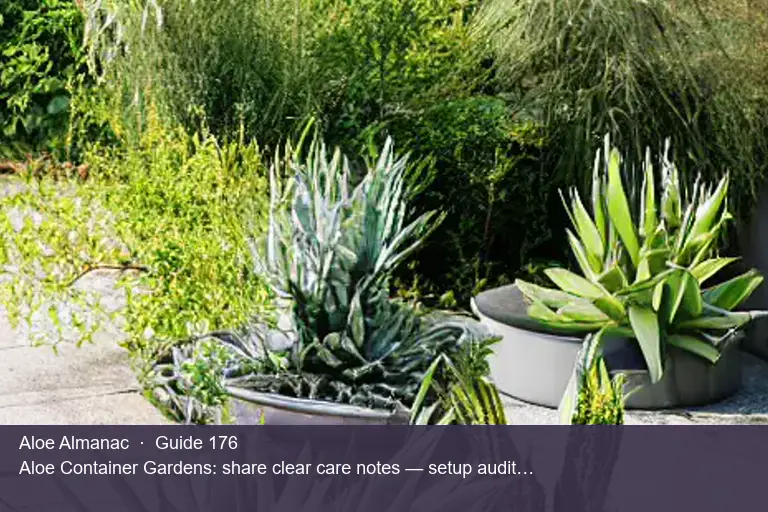
Aloe Container Gardens: share clear care notes — setup audit for seasonal changes; setup at seasonal changeover
Aloe container gardens provide a unique and relaxing setting for a beautiful and healthy landscape. These gardens are ideal for those who want to enjoy the natural beauty of aloe plants without the need for soil or a greenhouse. As we approach the season changeover, it’s time to reassess our care strategy for these aloe containers.
Understanding the seasonal changeover is crucial for successful gardening. Each season brings its own unique challenges and opportunities. In the fall, aloe containers can experience a drop in temperature and a decrease in light intensity, while spring brings a rise in temperature and increased light.
The first step in setting up for the season changeover is to create a clear plan for the garden. This plan should include the types of aloe plants we will be growing, the size of the containers, the location, the amount of space, and any specific needs, such as shade or aeration. This step will help us ensure that we have the necessary resources and knowledge to plan for the season changeover.
The next step is to prepare the containers. This involves selecting the right container, selecting the right soil, adding the right nutrients, and ensuring that the soil is properly drained. We should also consider the type of soil and how it will affect the plants' growth.
Next, we will need to add mulch around the plants to help retain moisture and suppress weeds. We will also need to add aeration to the containers to help the soil expand and retain nutrients.
Finally, we will need to provide a good water source for the plants. We should plan for the needs of the plants, such as watering frequency and frequency, and the location of the watering can or system.
The last step is to start the garden. We will need to start with the containers, planting the aloe plants, and providing the necessary support to ensure the plants grow and thrive. We should also plan for the future of the garden, such as how we will rotate the plants and how we will plan for pests and diseases.
In conclusion, aloe container gardens are perfect for those who want to enjoy the natural beauty of aloe plants without the need for soil or a greenhouse. The key to successful gardening is to create a clear plan for the garden, prepare the containers, add the necessary resources, add mulch, and aeration, provide water, and start the garden. By doing so, we can ensure that our aloe containers gardens will provide a beautiful and healthy landscape for our seasons.