Aloe Container Gardens: take useful progress photos — reuse review for a short care session; setup at seasonal changeover
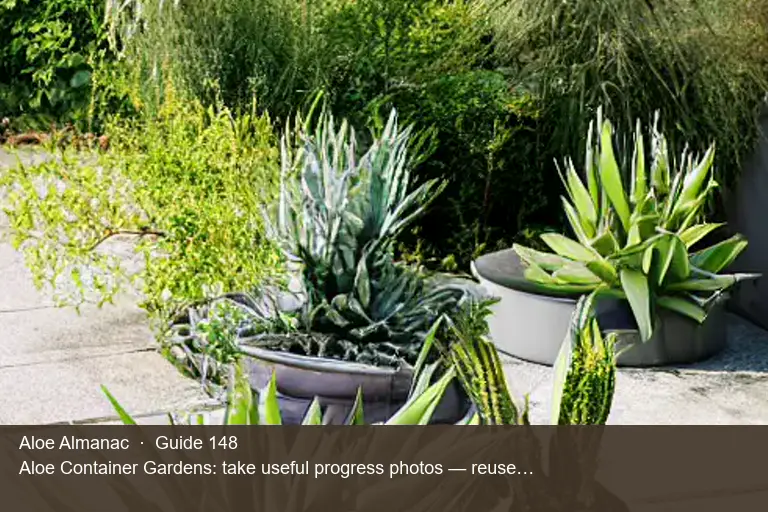
Aloe container gardens are a unique, versatile way to incorporate plants into your home or garden. By choosing the right type of aloe, you can create a beautiful, long-lasting container garden that will bloom year after year. This article will guide you through the steps to create an aloe container garden, including the choice of aloe types, container sizes, and soil types. Additionally, we will discuss the importance of choosing the right aloe, the importance of container gardening, and the importance of seasonal changes for your container garden.
First, you will need to choose the right aloe type. There are several types of aloe, including the popular Aloe vera, which is known for its thick, hard leaves and white flowers. Other types of aloe include the Aloe barbadensis, which is known for its heart-shaped leaves and small flowers, and the Aloe sylvestris, which is known for its large, heart-shaped leaves and white flowers. The size of aloe is also important. Large aloe varieties are more robust and require more frequent water and care, while small aloe varieties require less water and care. Additionally, aloe is a low-maintenance plant, meaning that it only requires occasional watering and fertilizing. The container size of the aloe container garden will also determine the amount of space you have available for your plants. Larger containers provide more room for the plants to grow, while smaller containers provide more space for each plant.
The soil type of the aloe container garden will also play a crucial role in the health of your plants. The soil should be rich in nutrients, but not too rich, as this can lead to root rot. The soil should also be well-draining, so that the water can flow freely through the container. The soil should also be loose enough to allow for the plants to grow freely. The soil should also be a mix of sand, pebbles, and some organic matter, such as compost or mulch.
When selecting the right aloe, you should consider the type of aloe, the size of the container, the amount of space you have available for the plants, and the climate of your area. The aloe should be able to grow in a variety of climates, from hot and dry regions to mild and wet regions. The aloe should also be able to tolerate a variety of soil types, from clay soil to sandy soil to loam soil.
Seasonal changes are a key to your container garden. The aloe should be able to grow and flower in a variety of climates, from warm and wet regions to cold and dry regions. The aloe should be able to flower and produce fruit in a variety of climates, from mild and wet regions to cold and dry regions.
In conclusion, aloe container gardens are a unique, versatile way to incorporate plants into your home or garden. By choosing the right aloe, you can create a beautiful, long-lasting container garden that will bloom year after year. Additionally, by selecting the right aloe, you can create a low-maintenance garden that only requires occasional watering and fertilizing. By choosing the right aloe, you can create a container garden that is able to grow and flower in a variety of climates, from warm and wet regions to cold and dry regions. By choosing the right aloe, you can create a container garden that is able to flower and produce fruit in a variety of climates, from mild and wet regions to cold and dry regions. The key to creating a successful aloe container garden is to choose the right aloe, the right container, the right soil, the right climate, and the right seasons.