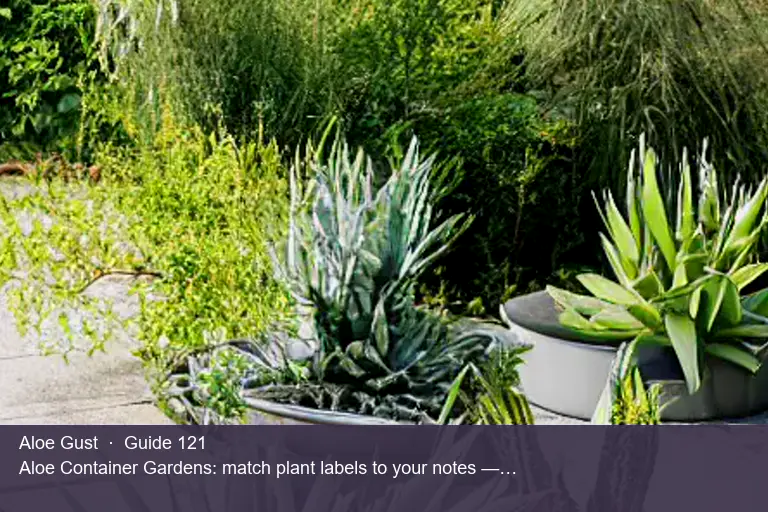
Aloe Container Gardens: match plant labels to your notes — tracking sheet for a first plant setup; setup after a break
In the warm, sunny days of summer, aloe plants are a refreshing addition to any container garden. These succulents are known for their warm, evergreen foliage and their ability to thrive in a variety of growing conditions. Here’s how you can use plant labels to match your notes on aloe container gardens.
First, you’ll need to determine the size and shape of your containers. Aloe containers are typically 12-18 inches in diameter and should be filled with soil that is light to medium in color. These containers are ideal for aloe plants because they provide ample room for growing and help the plant to access nutrients through the soil.
Next, you’ll want to label your containers with the plant’s name and the name of the soil type. The soil type is crucial as it will determine how well the plant will thrive in your containers. For example, aloe plants love to grow in well-draining soil with a slightly acidic pH. If your soil is not well-draining, you may want to consider adding a layer of compost or a slow-release fertilizer to help the soil retain water.
Once you have labeled your containers, it’s time to choose a plant. Aloe plants come in a variety of shapes and sizes, from small succulents to large, sprawling specimens. The best choice will depend on your growing conditions and your personal preferences. For example, aloe plants are ideal for hanging baskets or hanging in containers. Others may prefer containers with a height of 12-18 inches.
Next, you’ll need to choose your plant’s location. The ideal location for aloe plants is in full sun, with access to at least six hours of direct sunlight. If your soil is not well-draining, you may need to add a layer of compost or a slow-release fertilizer to help the soil retain water. If your containers are in a shady spot, you may want to consider adding a shade plant or a trellis to help the plant access sunlight.
Finally, it’s time to water your plants. Aloe plants are forgiving, but they require plenty of water. Water your plants when the soil is dry to the touch, but don’t let it get too dry. Water your plants once a week, but don’t over-water, as this can lead to root rot.
In summary, using plant labels to match your notes on aloe container gardens is a practical, effective way to ensure that you are growing the right plants in the right containers. By following these steps, you can set up your aloe container gardens in just a few days, making the most of the growing conditions you have available.