Aloe Container Gardens: estimate container volume — exception plan for seasonal changes; setup in shared households
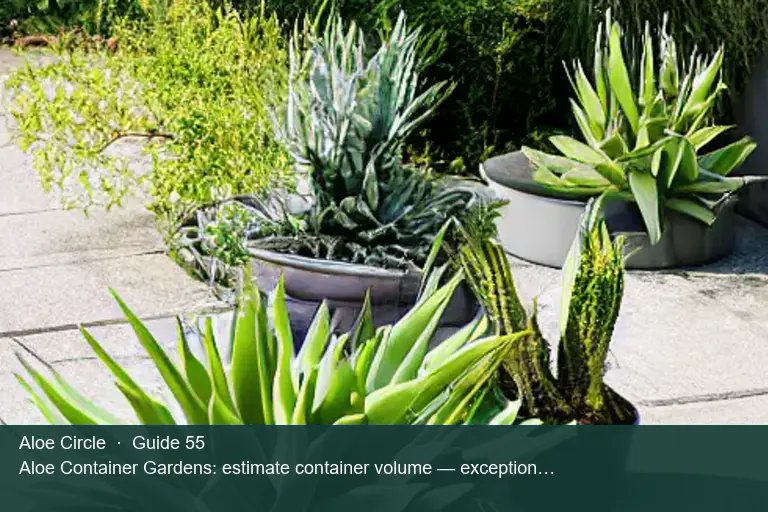
In the shared household, aloe container gardens are a practical solution for growing an array of succulent plants for the season. This article will guide you through the process of estimating container volume for your garden's aloe plantings, considering the season's changing conditions. By following these steps, you can make informed decisions about container sizes, ensuring optimal growth and sustainability.
### 1. Determine Your Seasonal Needs
Before delving into the container volume calculation, it's essential to understand your seasonal needs for aloe plants. Different species of aloe plants have varying growing requirements. For instance, some aloe species thrive in warm, dry conditions, while others prefer cooler, humid environments.
#### 1.1. Assess Light Conditions
Light is one of the most critical factors affecting aloe growth. Different aloe species have varying light requirements. For instance, the succulent Agave sargentii prefers bright, indirect light, while the native Aloe vera thrives in full sun.
#### 1.2. Evaluate Water Needs
Water is another vital element for aloe plants. Water is essential for maintaining healthy roots, as well as for photosynthesis. Aloe plants can grow well in a range of water conditions, but some species prefer slightly more water than others.
#### 1.3. Consider Soil Quality
The quality of soil can greatly influence the growth of aloe plants. Different aloe species have different soil requirements. For instance, some aloe species prefer well-drained soil, while others prefer slightly looser soil with more organic matter.
### 2. Calculate Container Volume
Once you've identified your seasonal needs, it's time to calculate the container volume for your aloe plantings. The volume of a container can be calculated using the following formula:
\[ \text{Container Volume} = \text{Height} \times \text{Width} \times \text{Depth} \]
Where:
- Height is the vertical distance from the ground to the top of the container. - Width is the horizontal distance across the container. - Depth is the depth of the container.
#### 2.1. Measure the Container Dimensions
The first step in calculating the container volume is to measure the dimensions of your container. This includes its height, width, and depth.
#### 2.2. Determine the Height
The height of your container can be measured from the ground to the top of the container. This includes the height of the container itself, as well as the height of any additional containers or plants that are placed inside.
#### 2.3. Calculate the Width
The width of your container can be measured along the length from one side of the container to the opposite side. This includes the width of the container itself, as well as any additional containers or plants that are placed inside.
#### 2.4. Determine the Depth
The depth of your container can be measured from the top of the container to the bottom of the container. This includes the depth of the container itself, as well as any additional containers or plants that are placed inside.
#### 2.5. Calculate the Container Volume
Now that you've measured the dimensions of your container, you can calculate its volume using the formula above.
### 3. Consider Container Sizes
The final step in this process is to consider the container sizes that are commonly used for aloe plantings. Common container sizes include:
- Medium-sized containers that can accommodate up to 10-15 plants
- Large-sized containers that can accommodate up to 20-30 plants
- Small-sized containers that can accommodate up to 5-10 plants
### 4. Conclusion
In conclusion, by following the steps outlined above, you can estimate the container volume for aloe container gardens. By considering the seasonal needs of your aloe plantings, the container size will be tailored to your specific requirements. Remember, the key to successful aloe container garden is to ensure that the container size is appropriate for the number of plants you plan to grow, while also being able to accommodate the varying growth needs of your aloe plantings.