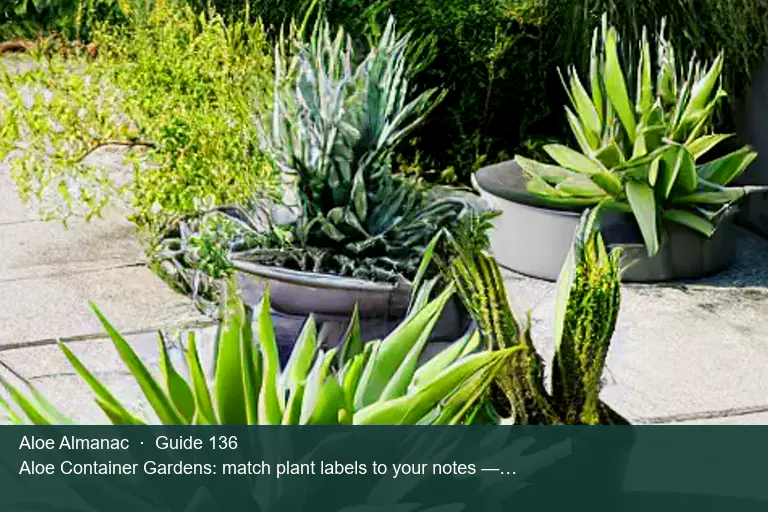
Aloe Container Gardens: match plant labels to your notes — review calendar for seasonal changes; setup at seasonal changeover
Aloe plants are a popular choice for container gardens because of their ability to thrive in dry conditions. They are also known for their drought-tolerant nature, which makes them ideal for gardeners looking to expand their indoor or outdoor space. To help gardeners manage their aloe plants during seasonal changes, it's important to remember the seasonal labels and use them to guide their planting. This article will provide a step-by-step guide on how to match plant labels to your notes, review the calendar for seasonal changes, and set up at seasonal changeover.
Step 1: Review the calendar for seasonal changes The first step in managing aloe plants during seasonal changes is to review the calendar for seasonal changes. This will help gardeners stay on top of the changing weather patterns and determine the best times to plant their aloe plants. For example, if the garden is in the spring, it's important to plant aloe plants in the spring because they will have established themselves in the soil. Conversely, if the garden is in the fall, it's important to plant aloe plants in the fall because they will have established themselves in the soil.
Step 2: Match plant labels to your notes The second step in managing aloe plants during seasonal changes is to match plant labels to your notes. To do this, gardeners need to make a list of all the plants they will be growing in the garden. This will help them identify the plants they will be growing and will help them know the plants they will need to transplant. For example, if the garden is in the spring, the gardeners will need to make a list of all the plants they will be growing, including aloe plants, to make sure that they are planting the right plants.
Step 3: Review the weather patterns The third step in managing aloe plants during seasonal changes is to review the weather patterns. The weather patterns will help gardeners know when to plant their aloe plants and when to transplant them. For example, if the garden is in the spring, the weather patterns will tell gardeners when to plant their aloe plants because the garden will have established itself in the soil. Conversely, if the garden is in the fall, the weather patterns will tell gardeners when to transplant their aloe plants because the garden will have established itself in the soil.
Step 4: Set up at seasonal changeover The final step in managing aloe plants during seasonal changes is to set up at seasonal changeover. This will involve making sure that the gardeners are ready to plant their aloe plants at the right time for the weather patterns. This will involve making sure that the gardeners are ready to transplant their aloe plants at the right time for the weather patterns. For example, if the garden is in the spring, the gardeners will need to make sure that they are ready to plant their aloe plants at the right time for the weather patterns so that they can transplant their aloe plants at the right time for the weather patterns.
Step 5: Review the weather patterns and set up at seasonal changeover The final step in managing aloe plants during seasonal changes is to review the weather patterns and set up at seasonal changeover. This will involve making sure that the gardeners are ready to plant their aloe plants and transplant their aloe plants at the right time for the weather patterns.
In conclusion, managing aloe plants during seasonal changes is important for gardeners looking to expand their indoor or outdoor space. By reviewing the calendar for seasonal changes, matching plant labels to your notes, reviewing the weather patterns, setting up at seasonal changeover, and reviewing the weather patterns and setting up at seasonal changeover, gardeners can ensure that their aloe plants are planted at the right time for the weather patterns and ready to be transplanted at the right time for the weather patterns.