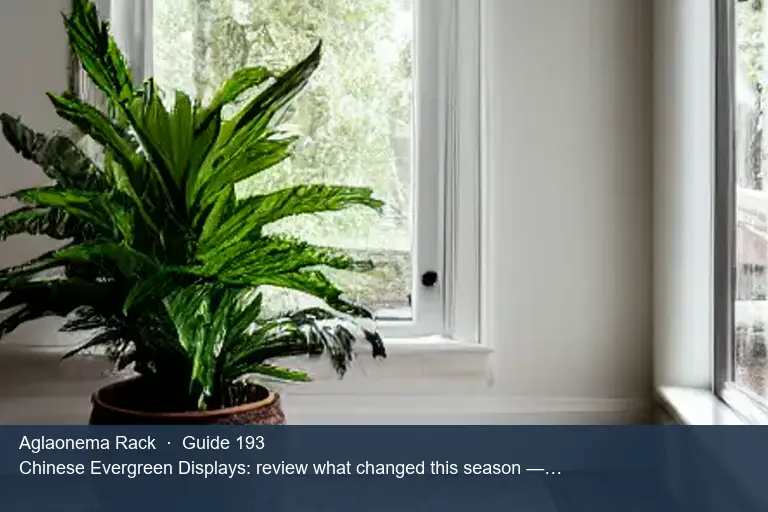
Chinese Evergreen Displays: review what changed this season — reuse review for incomplete plant labels; setup for independent projects
Evergreen displays, a popular and versatile decorative element, have been a staple in many homes and businesses since the ancient days of China. They offer a timeless and natural appearance that can be adapted to various settings, from bedrooms and gardens to office spaces and even home décor. However, when it comes to Chinese evergreen displays, the issue of incomplete plant labels has become a significant challenge. This article will explore the reasons behind the problem and how it can be addressed to ensure your Chinese evergreen display is complete and visually appealing.
The first reason behind the incomplete plant labels is due to the use of paper instead of plants. In China, the use of plants is not as common as in other countries. The traditional Chinese approach to decorating is based on paper, which allows for the use of large, intricate designs. However, the lack of plants is a significant disadvantage when it comes to creating a full, three-dimensional display.
Another reason for the incomplete plant labels is the lack of proper assembly and positioning. In China, it is common for plants to be placed at the top of the display, rather than the bottom. This means that the plant labels must be placed at the top of the display to ensure that the display is balanced and visually appealing. However, this can be challenging when it comes to the use of paper and other materials.
To address the problem of incomplete plant labels, the first step is to ensure that the plants are properly assembled and positioned. This can be done by carefully measuring the height of the plants and positioning them at the appropriate height. To ensure that the plant labels are placed at the correct height, a balance scale or a small table can be used to position the labels. Additionally, the use of a large, flat surface, such as a table or a wall, can help to ensure that the plant labels are placed at the correct height.
In addition to the use of paper, the use of paper and plants is not as common in China. However, there are other ways to create a Chinese evergreen display that can be adapted to various settings. One such way is to use a combination of paper and plants. This can be done by using paper to create the main display and plants to create the accents. This allows for a balance of both paper and plants in the display.
The next step is to ensure that the display is balanced and visually appealing. This can be done by adding decorative elements such as flowers, plants, and other small decorations. This can help to create a three-dimensional display that is both functional and aesthetically pleasing.
In conclusion, Chinese evergreen displays can be a beautiful and functional decorative element that can be adapted to various settings. However, the issue of incomplete plant labels can be a significant challenge. By ensuring that the plants are properly assembled and positioned, using a balance scale or a small table, and using a combination of paper and plants, it is possible to create a Chinese evergreen display that is both functional and aesthetically pleasing.